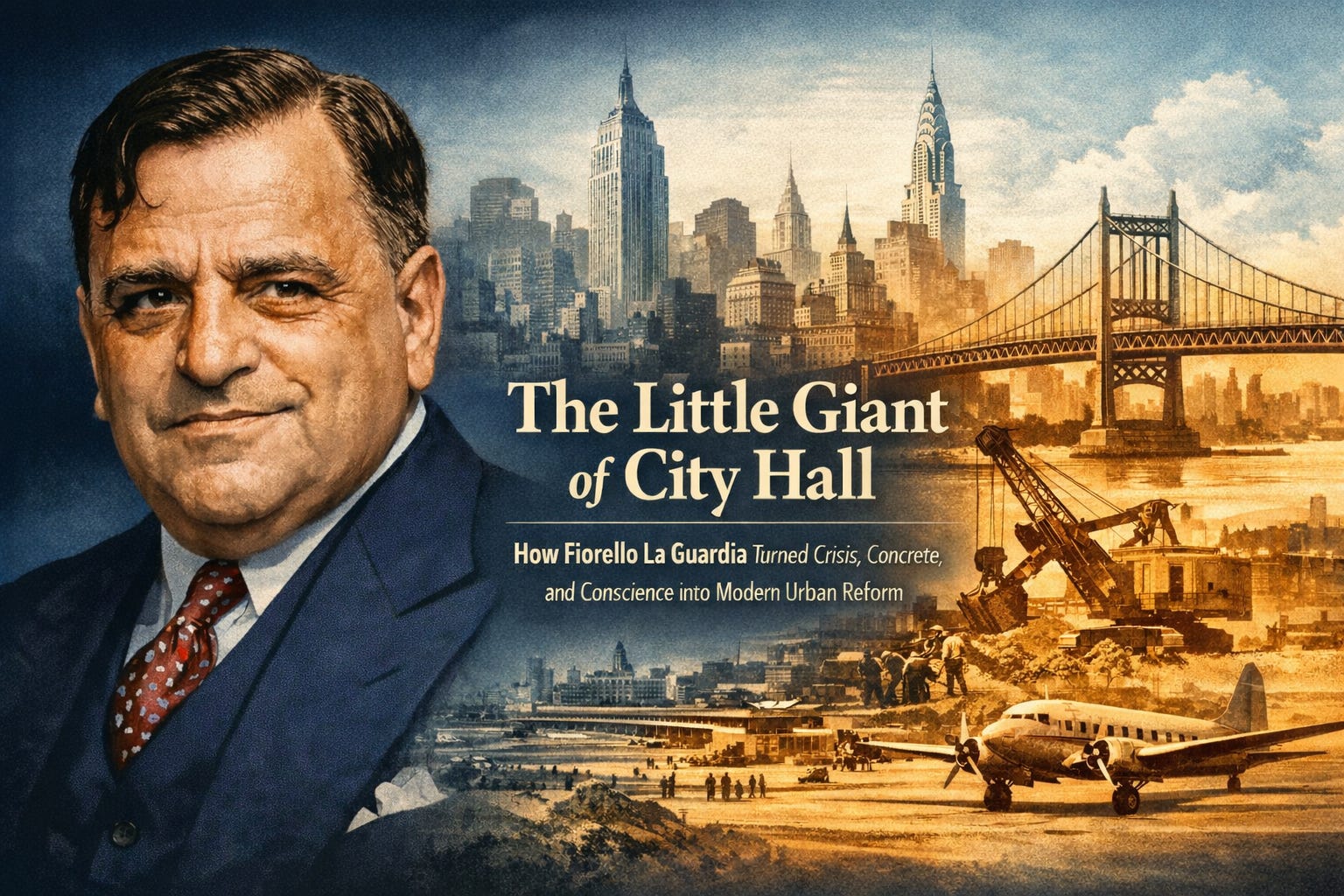
Fiorello La Guardia — The Little Giant Who Remade the Modern City
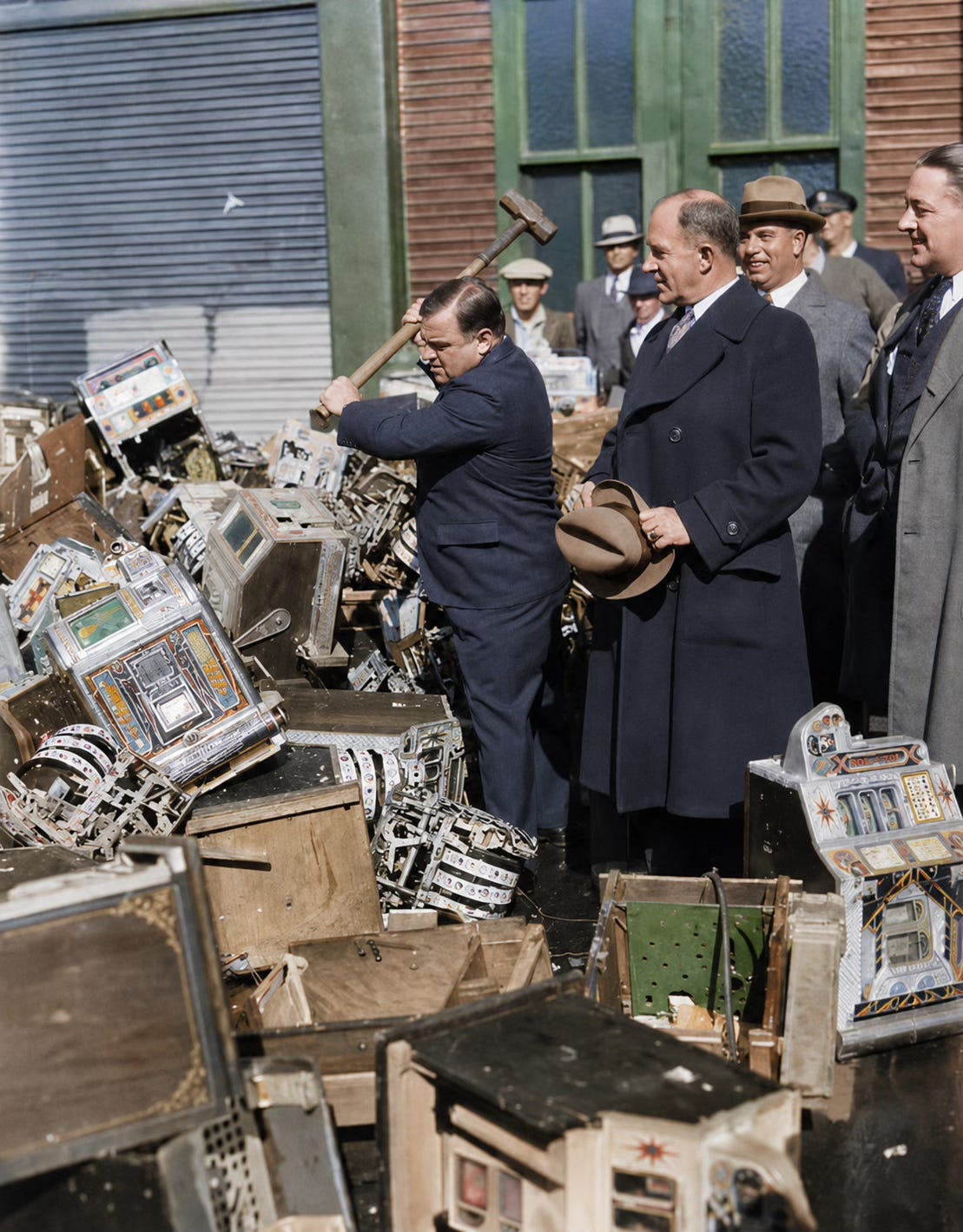
On a winter day in 1934, New York City’s new mayor stood before reporters and ordered slot machines smashed with sledgehammers. The gesture was theatrical, even a little absurd—but unmistakable. It signaled that the era of accommodation with vice, rackets, and political middlemen was over. For Fiorello La Guardia, reform was not a slogan or a committee process; it was an act of moral assertion, performed in public and backed by the full force of executive power.
The Collapse of Machine Politics
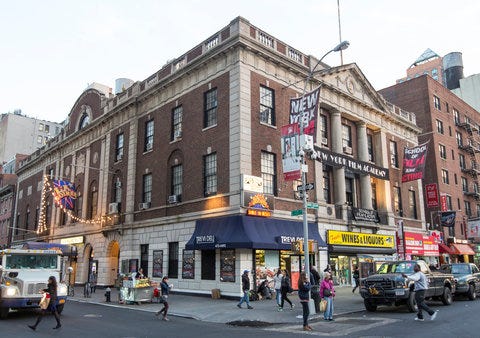
La Guardia assumed office at a moment when American cities were widely viewed as broken. The Great Depression had exposed the fragility of urban economies, while machine politics—embodied in New York by Tammany Hall—had fused governance with patronage, graft, and ethnic bloc bargaining. City government was often efficient at mobilizing votes, but notoriously ineffective at delivering competent administration. La Guardia’s election, forged from an unusual coalition of Republicans, reform Democrats, independents, labor groups, and immigrant voters, represented a clear repudiation of that system. He ran not as a conciliator of interests but as a mayor who insisted that city hall existed to serve the public as a whole.
Professionalizing City Hall
Central to his reform agenda was the professionalization of municipal government. La Guardia moved aggressively to weaken patronage networks and elevate civil service standards, replacing political loyalists with trained administrators. Departments such as sanitation, police, and public works were reorganized to prioritize expertise, efficiency, and centralized coordination. This approach reflected Progressive and New Deal assumptions that modern cities were too complex to be governed through informal political bargaining alone. Under La Guardia, the mayoralty evolved into a strong executive office capable of imposing coherence on a vast and fragmented bureaucracy—an innovation that permanently altered expectations of urban leadership.
Building the Modern City
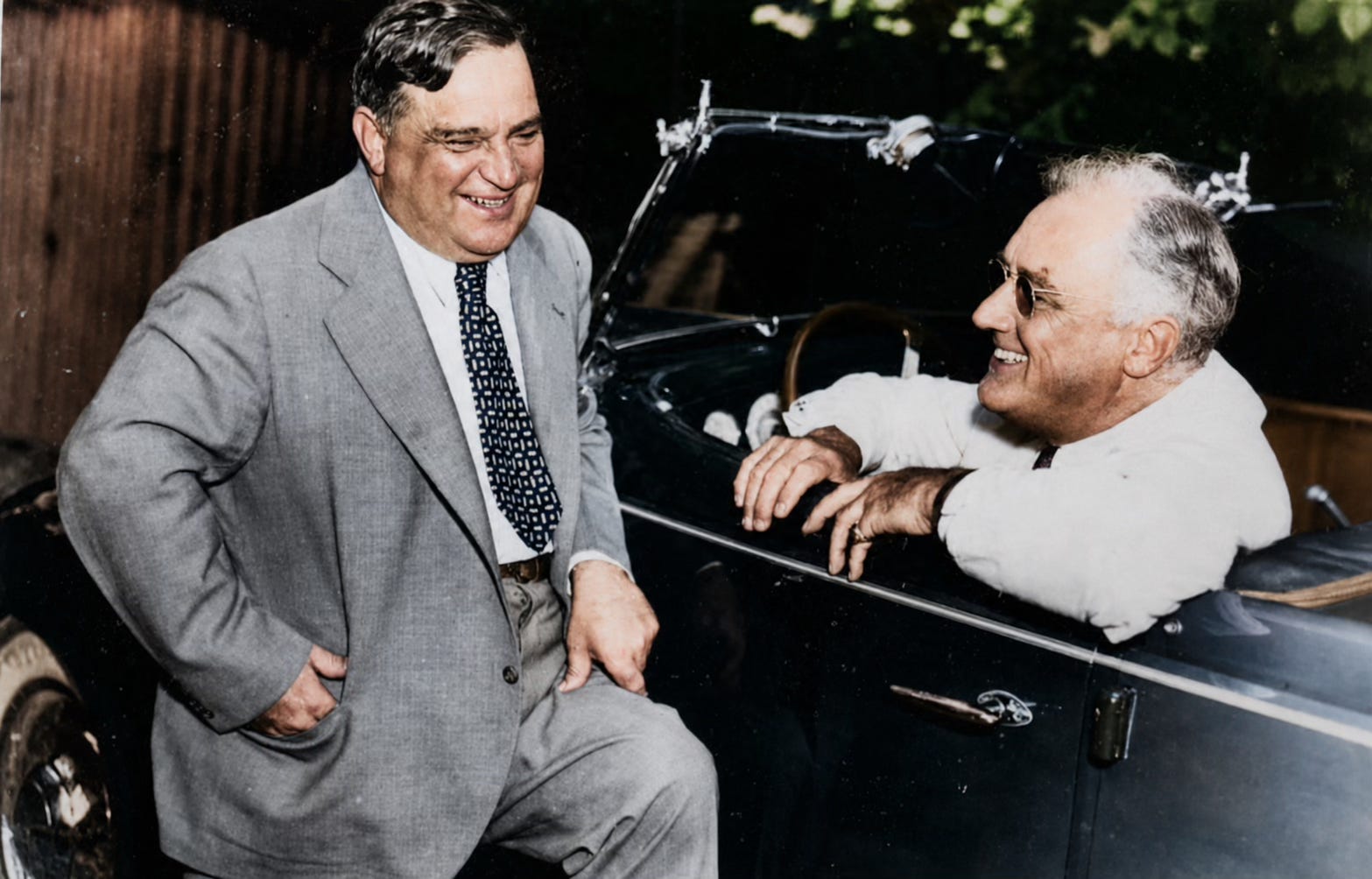
Yet La Guardia’s reforms were not merely administrative. They were infrastructural in both the literal and civic sense. Unlike many mayors who resisted federal involvement, he embraced President Franklin D. Roosevelt’s New Deal as a vehicle for urban transformation. By aggressively courting federal funds, La Guardia reshaped New York’s physical landscape: LaGuardia Airport, the Triborough Bridge, miles of new roads, public housing developments, playgrounds, and parks. These projects not only modernized the city but provided employment for hundreds of thousands during the Depression. New York became a proving ground for the idea that cities could function as active partners in national recovery rather than passive recipients of relief.
Governing with Moral Authority
Social reform formed the moral core of La Guardia’s governance. He rejected the notion that city government was merely a service provider and instead treated it as a steward of public welfare. His administration expanded public health initiatives, improved housing standards, supported labor protections, and sought to stabilize working-class neighborhoods strained by unemployment and overcrowding. His campaign against organized crime—symbolized by the destruction of slot machines but reinforced through sustained enforcement—signaled that reform was inseparable from restoring public trust. City hall, in La Guardia’s view, had an obligation not only to function well but to model ethical authority.
A Civic Identity Beyond Ethnicity
Equally important was his ability to transcend New York’s ethnic and cultural divisions. The son of Italian and Jewish parents and fluent in multiple languages, La Guardia embodied the city’s immigrant pluralism while refusing to govern through narrow ethnic patronage. He spoke directly to immigrant communities yet framed their interests as inseparable from a broader civic identity. This approach helped stabilize a city marked by inequality and cultural fragmentation, reinforcing the idea that durable urban reform required social cohesion alongside institutional change.
The Limits of Reformist Power
Still, La Guardia’s legacy is inseparable from tension. His governing style was unapologetically forceful, and at times verged on authoritarian. He centralized power aggressively, sidelined local political intermediaries, and relied heavily on federal funding that raised questions about long-term fiscal autonomy. These traits were arguably effective—even necessary—during economic depression and global war. But they also pose an enduring question: was La Guardia’s model of reform sustainable outside moments of crisis, or did it depend on extraordinary circumstances to justify extraordinary authority?
The Enduring Challenge of the Little Giant
It is precisely this tension that makes La Guardia historically significant. He demonstrated that urban government could be ethical without being weak, ambitious without being corrupt, and professional without being detached from public life. At the same time, he revealed the costs and risks of reform driven by strong executive power. His tenure redefined what city government could achieve—and how much authority it might claim in the name of the public good.
In an era when cities again confront inequality, infrastructure decay, and political cynicism, La Guardia’s legacy endures less as a blueprint than as a challenge. Can modern mayors combine moral clarity, administrative competence, and democratic accountability without sliding into technocracy or strong-man governance? La Guardia did not resolve that question—but he made it impossible for urban leaders to ignore it.